
The Clovis Unified Journey: Engineering a Systemic Overhaul for Student Success
In four years, Clovis Unified School District (CA) moved beyond incremental change to engineer a systemic overhaul of student support. By transitioning from a reactive guidance model to a data-driven school counseling model, the district has fundamentally redefined its commitment to the "whole child”.
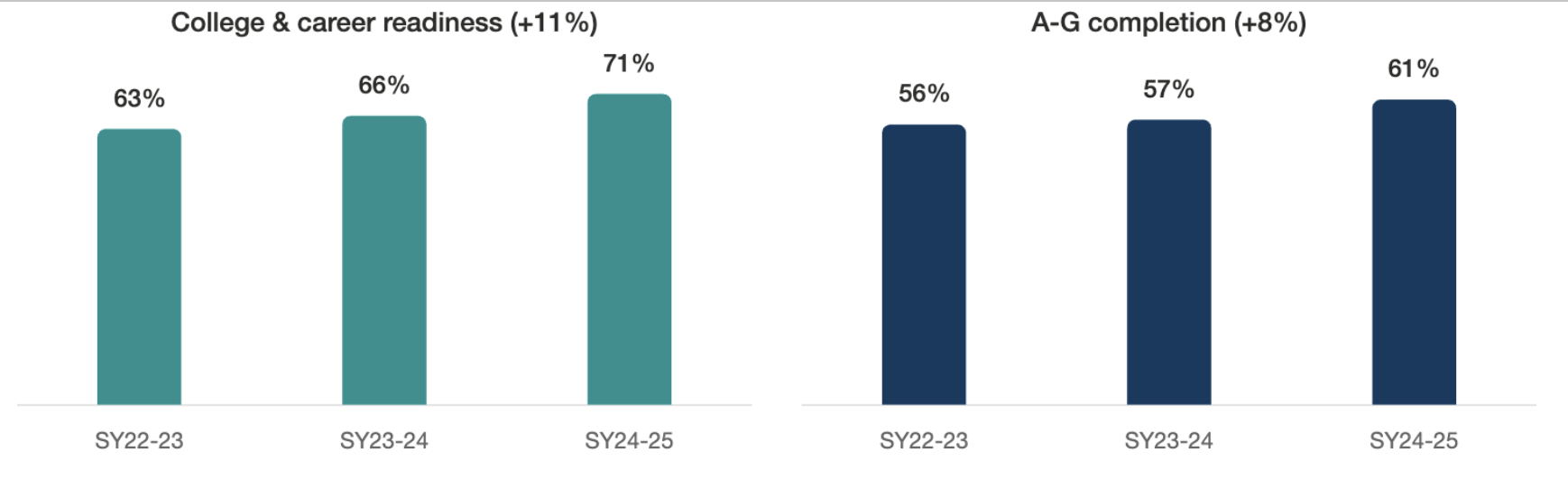
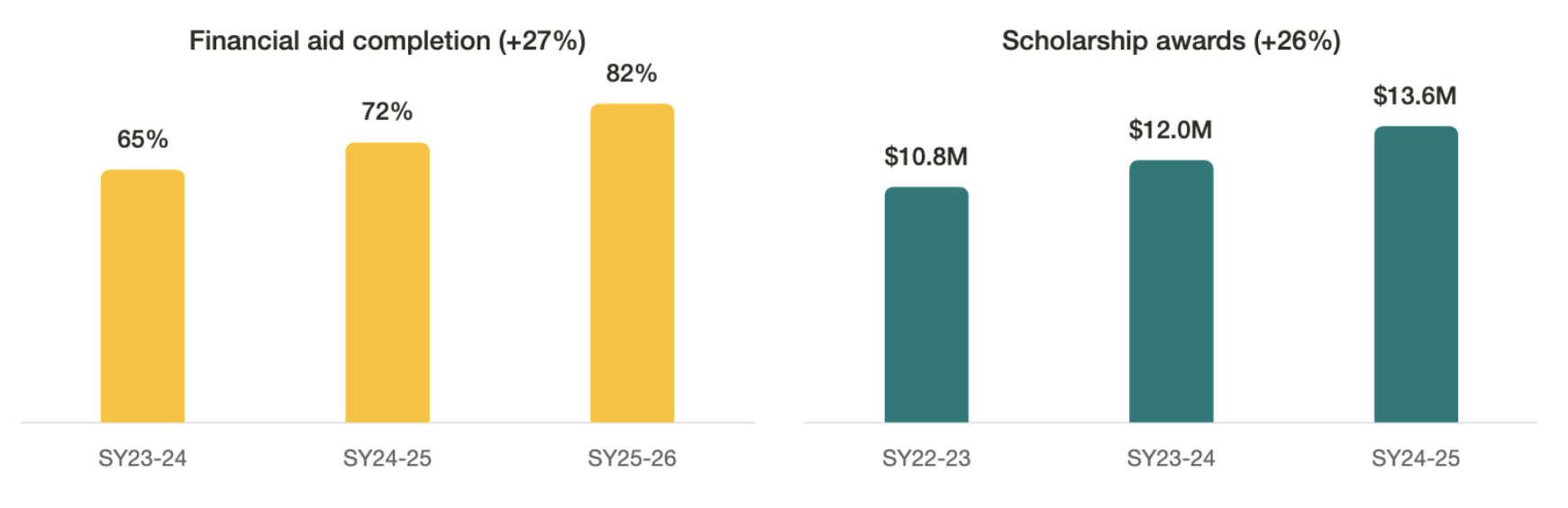
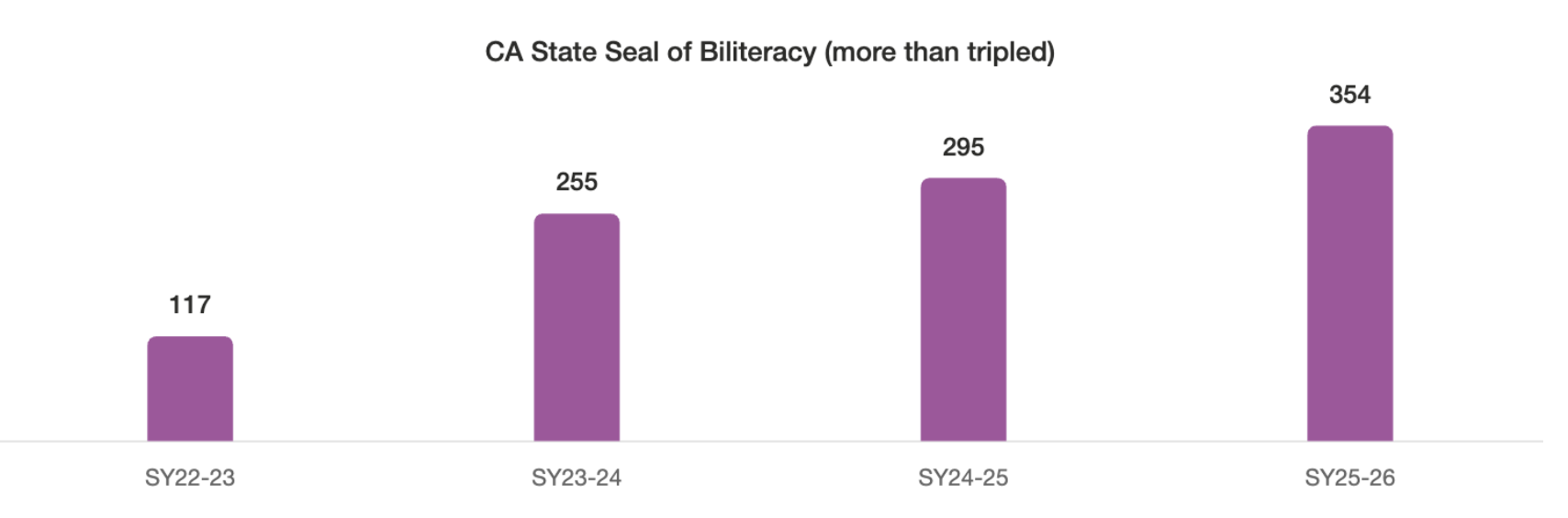
This evolution represents a strategic shift from mostly responding to crises to proactively building the foundations for successful student achievement, and the results show it:
Here's how they got there:
The Starting Point
Before this initiative, Clovis Unified school counselors had received zero days of role-specific professional development, a gap the district was determined to close. Over the next four years, that changed to 21 days of intensive Hatching Results® training, plus annual half-day sessions, moving school counselors from administrative generalists to data-driven experts.
That transformation unfolded in four stages:
Year 1: Foundations & Tier 1 Curriculum – The school counseling program rolled out a “franchised” Tier 1 counseling curriculum (grades 7-12), aligned to ASCA Student Standards, grounded in the principles of teaching (vs. presenting), and integrating pre- and post-assessments to measure shifts in student learning.
Year 2: Data & Systems – To break the cycle of reactivity, the district implemented proactive systems, including time tracking. Twice a year school counselors completed a time study to understand how they spent their time and shared results with site- and district-based leadership.School counselors also engaged in root cause analysis to identify student needs and launch targeted Tier 2 interventions.
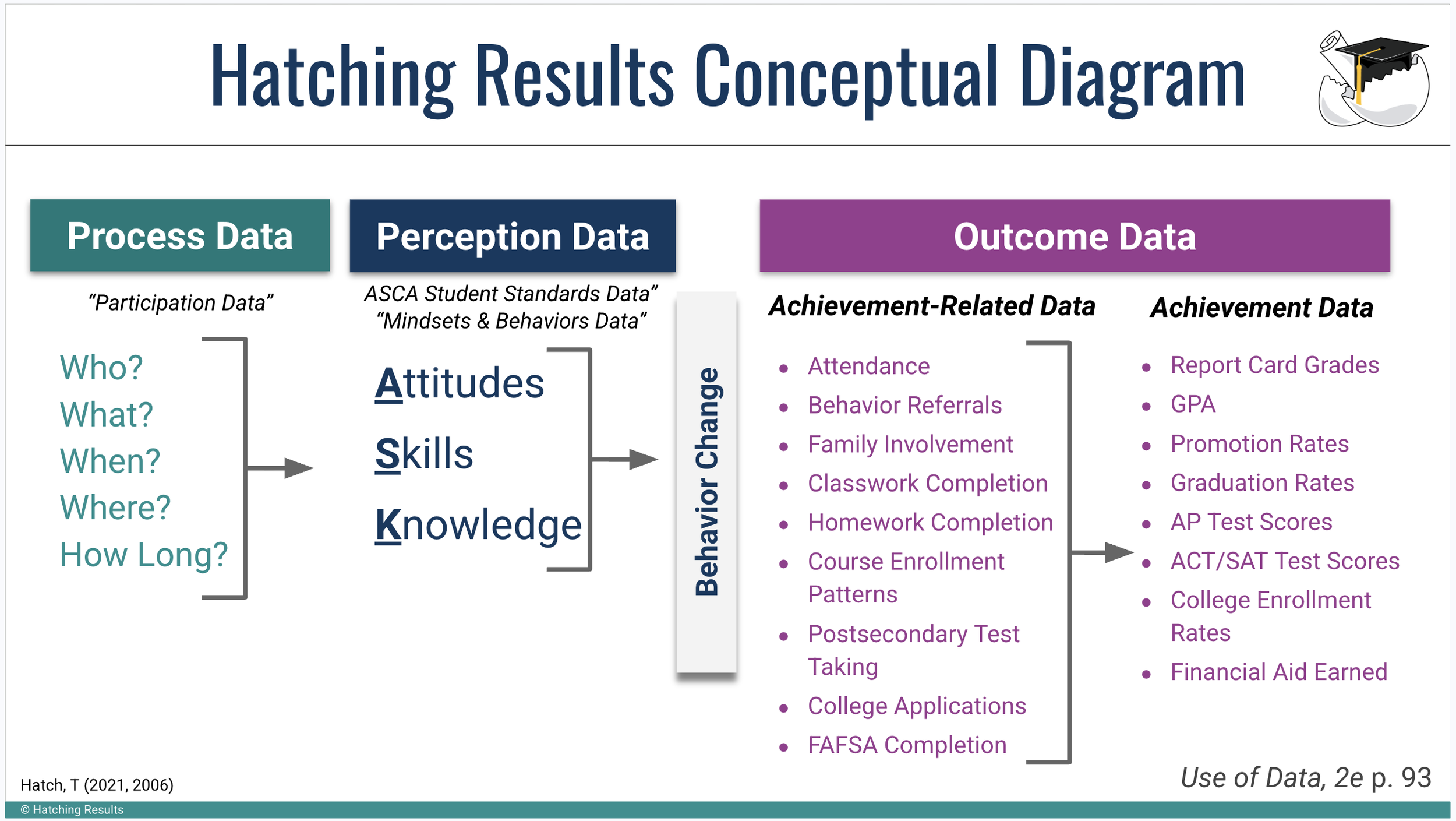
Year 3: Advocacy & Storytelling – School counselors created and shared data one-pagers aligned with the Hatching Results Conceptual Diagram© to advocate for their programs and ultimately students. They also began to revise their outdated school counseling job description.
Year 4: Evaluation, Sustainability & Leadership – School counseling teams refined the Plan-Do-Study-Act (PDSA) Cycle for School Counseling© and shifted to SMARTIE Goals (Strategic, Measurable, Attainable, Realistic, Time-bound, Inclusive, and Equitable), ensuring the program's impact reaches every student group.
Additionally, by adopting this Multi-Tiered Multi-Domain Systems of Support (MTMDSS) framework, Clovis Unified has empowered its school counselors to identify performance gaps before they become barriers and use data to inform decisions.
Building the Infrastructure to Match
Professional growth alone couldn't sustain this school counseling program shift. The district also had to rebuild its program infrastructure from the ground up. Key organizational changes that expanded impact include:
Staffing Growth and Early Intervention: Elementary staffing grew from just two school counselors to a team of 11, bringing proactive social-emotional and academic support to the earliest stages of a student's journey.
Clarifying School Counselor Identity: The district retired the outdated "Guidance and Learning Specialist" title in exchange for "School Counselor," aligning with modern standards and clarifying their role as educational experts. The shift went beyond a name change; a committee of school counselors completely rewrote the job description itself, grounding it in the ASCA National Model® . Previously, school counselors across the district were not as aligned in how they articulated the specific roles and domains of their work, and now they are more unified in describing their work clearly and consistently.
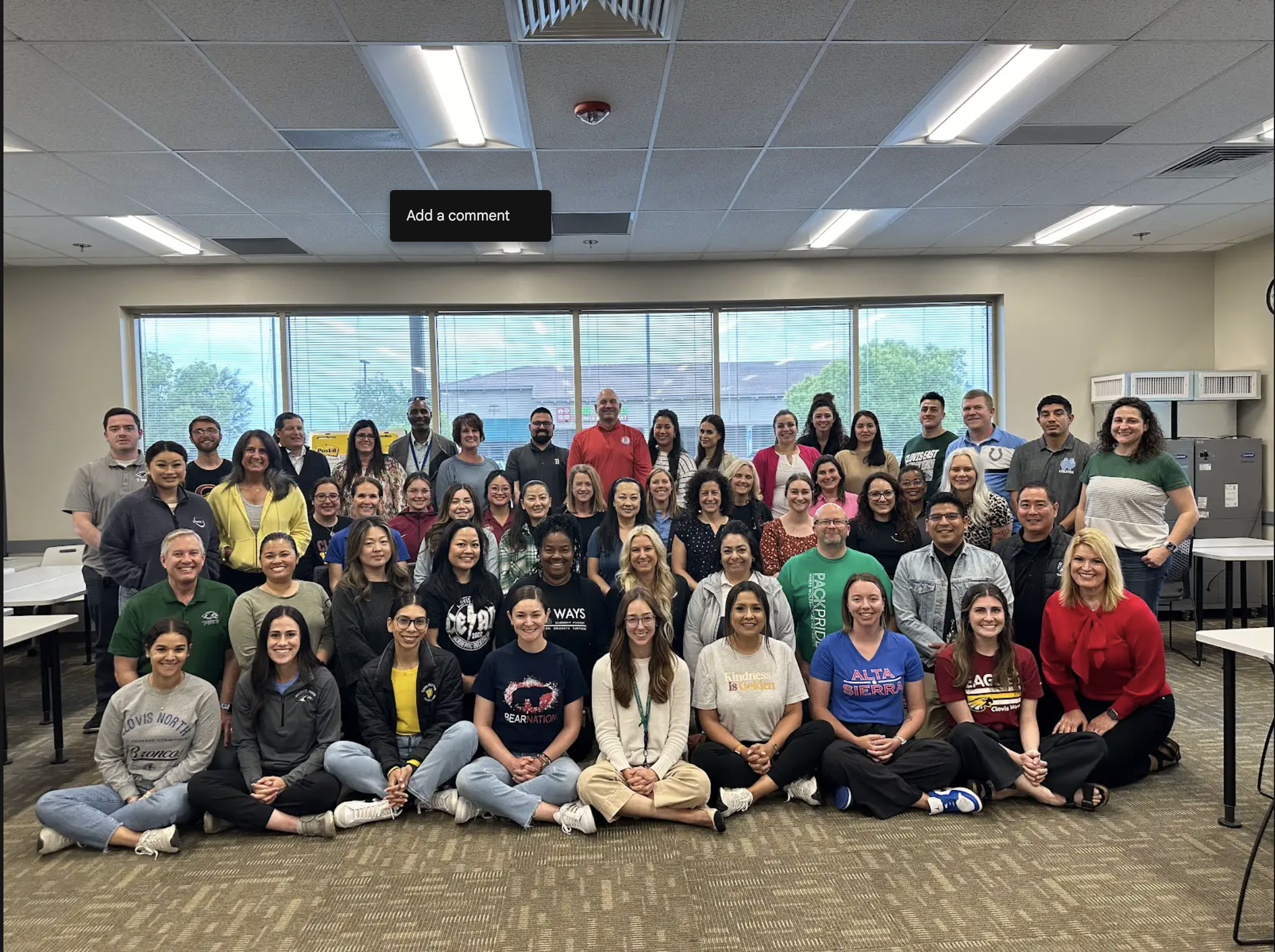
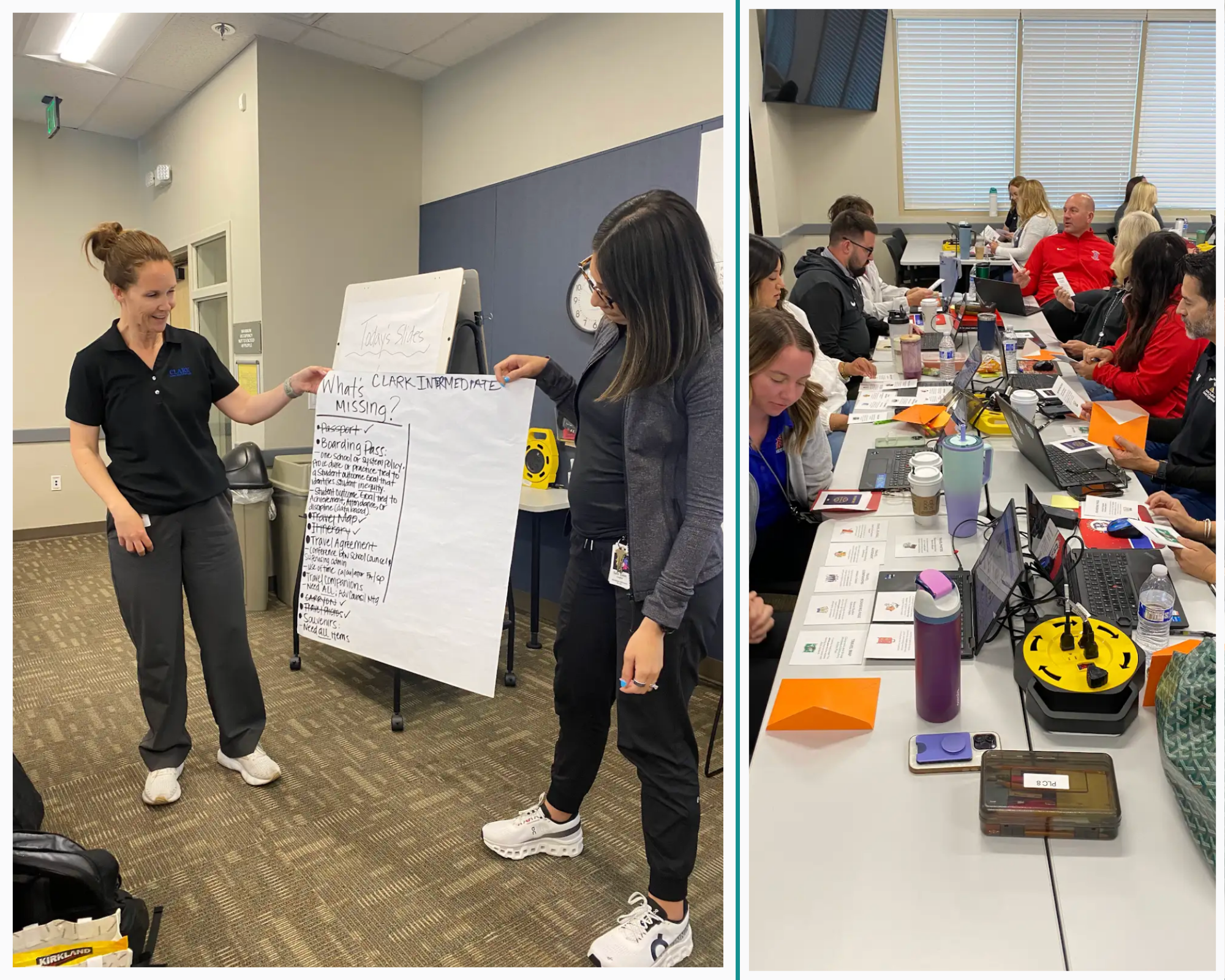
Decentralized Leadership Through Committees: Where once only head counselors met quarterly, the district now runs 15 Counselor Committees (scaling to 20), with nearly every school counselor in the district serving on one and helping lead site-based implementation of best practices.
Time Tracking Data to Improve Roles: Using counseling time-tracking data, administrators identified and reassigned non-counseling duties, a practice school counselors now repeat annually. They are working towards the goal of aligning counselor time with the national recommendation of 80% on direct and indirect student services and 20% on program planning, evaluation, and improvement.
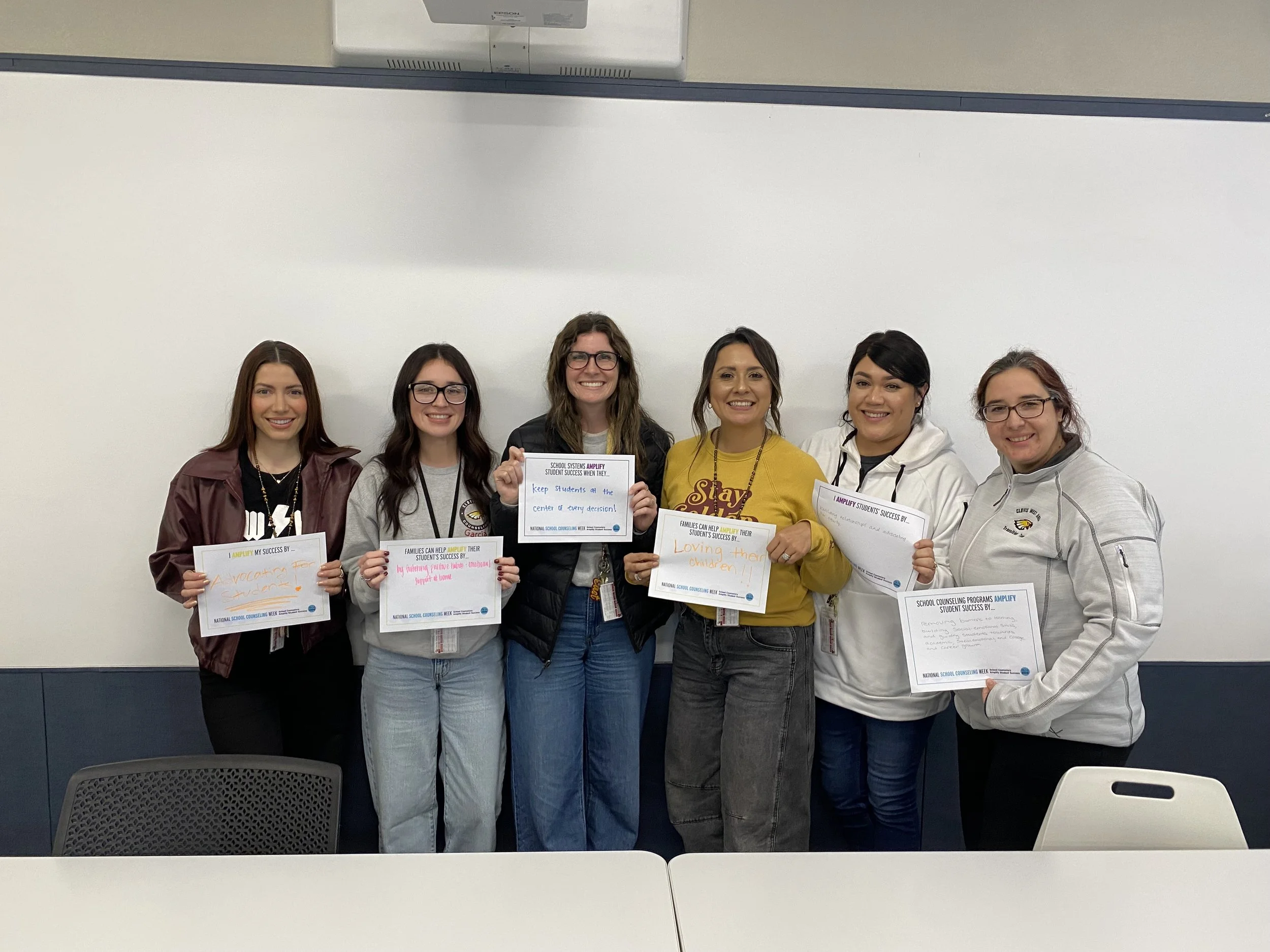
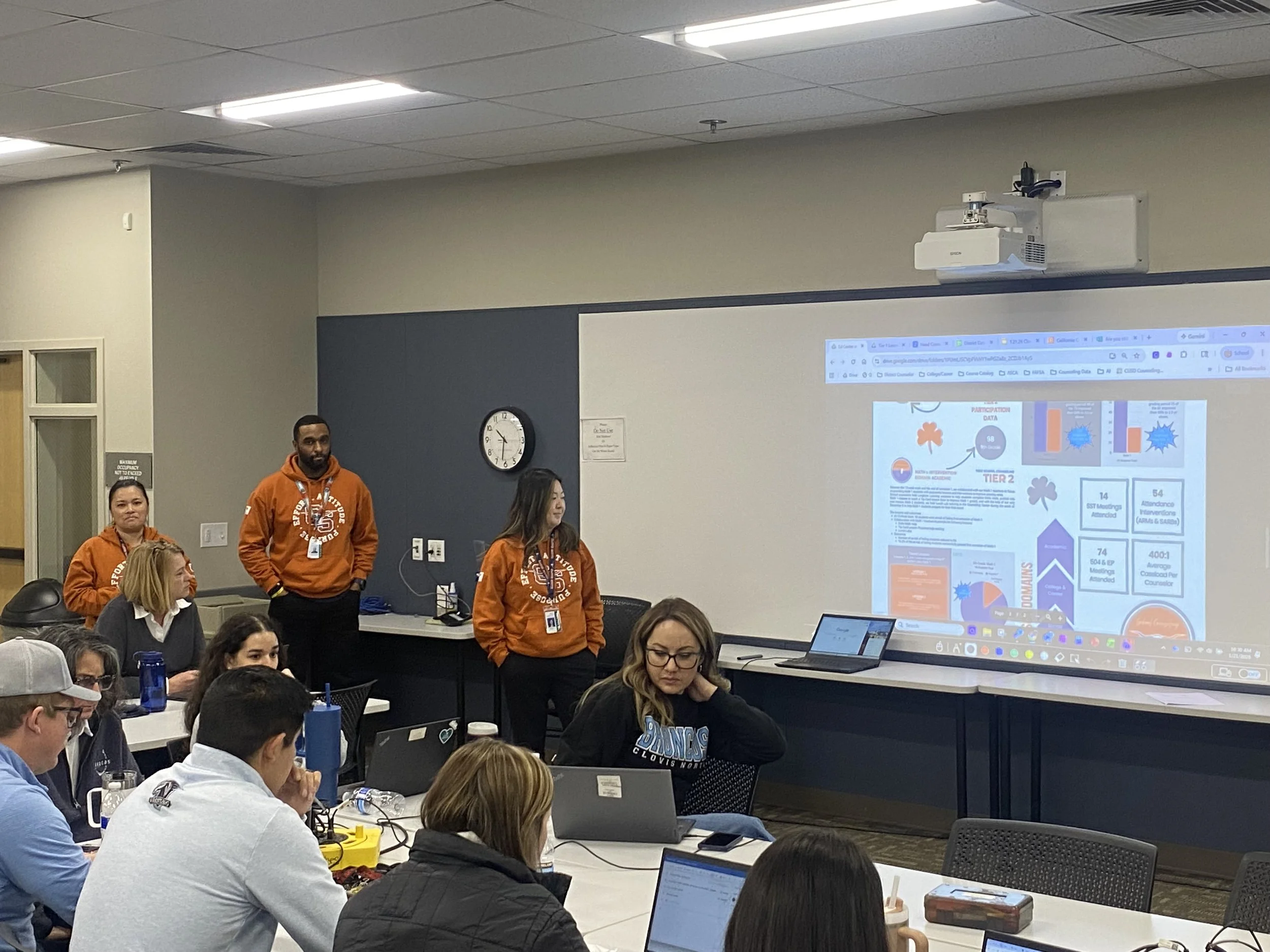
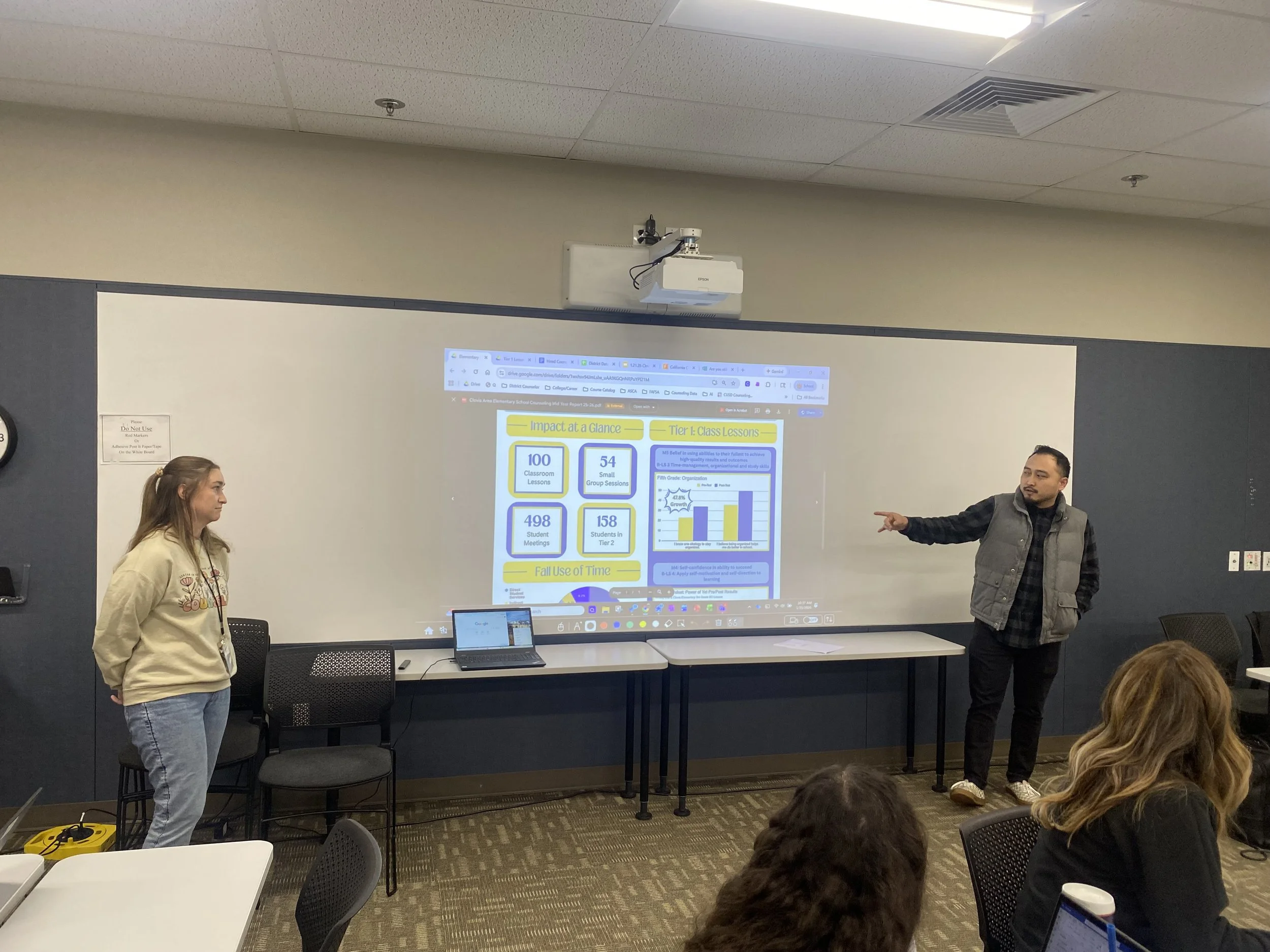
Celebrating Student Success + What's Next
Ultimately, MTMDSS is validated by measurable improvements in student outcomes. By moving away from reactive, “random acts of guidance” and toward a proactive, systemic, data-informed program, Clovis has seen significant movement in every key indicator of college and career readiness.
To highlight just some of the data above, the 27% increase in completed financial aid applications and $2.78 million increase in scholarships represent substantially greater access to financial resources for Clovis students pursuing postsecondary education. The district isn’t simply tracking data - it is using data to remove barriers, expand opportunity, and help more students leave high school prepared for what comes next. These results demonstrate the promise of a proactive, comprehensive school counseling model designed around measurable student needs and outcomes.
Looking ahead to 2026-27, Clovis Unified remains committed to the next frontier of student support.
They are integrating elementary lessons into the district’s Tier 1 curriculum scope and sequence, ensuring a seamless K-12 continuum of care.
The shift toward sustainable, site-led training through school counselor committees ensures this model isn't a temporary initiative, but a permanent pillar of the district's identity.
Clovis Unified School District’s school counseling program remains steadfast in its mission: to ensure the success of every student through professional excellence and a relentless focus on data-driven school counseling. They have built the infrastructure, mastered the tools, and proven the results. Now they will continue the work of preparing every student for a future without limits.